


 About Us
 Our Team
 Reviews
 Locations
 Scholarship
 Referrals
 Contact Us
 Car Accidents
 Rideshare Accidents (Uber/Lyft)
 Motorcycle Accidents
 Drunk Driving Accidents
 Truck Accidents
 E-Bike Accidents
 Scooter Accidents
 Bicycle Accidents
 Pedestrian Accidents
 Slips & Fall Injuries
 Wrongful Death
 Boating Accidents
 Medical Malpractice
 Dog Bite Injuries
 View all case types
Data compiled by the Emergency Medicine Journal in a report by the Safety Transportation Education and Research Center at the University of California have determined that people who are overweight or obese have a much higher chance of dying in auto accidents than people who are not obese. Drivers with a BMI of 40 or higher were 80% more likely to die in a car accident than drivers of normal weight, according to the study. The New York Times blog Safe Travels reported that researchers took the information from the Fatality Analysis Reporting System, which is overseen by the National Highway Traffic Safety Administration. This information was also used in conjunction with classifications for obesity as stipulated by the World Health Organization. Understanding these statistics is critical when pursuing compensation for serious or catastrophic injuries resulting from negligence in motor vehicle collisions.
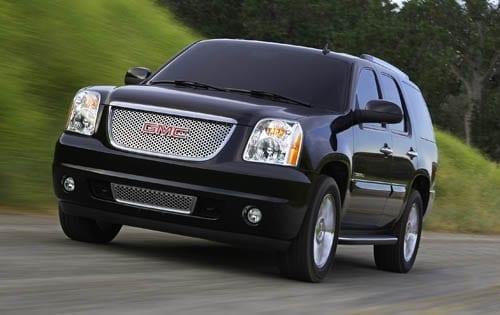
With a total of over 41,000 auto collisions, drivers were broken up into four groups that categorize the different body types on the BMI index. Out of the more than 5,200 drivers for whom researchers acquired information, 3 percent of the drivers involved in accidents had a BMI of less than 18.5. Forty-six percent of the drivers had a normal body mass index of 18.5 to 24.9. Thirty-three percent were classified as overweight, and 18 percent of drivers were classified by the BMI scale as being obese. While death rates in all the accidents studied were the same for the first three body type categories, drivers with obesity had a higher incidence of fatalities. Some surmise that contributing factors include poor health and vehicle design, although a definite explanation for this correlation remains unclear.
More Recent Research on Obesity and Car Accident Fatalities
More recent research has continued to examine the relationship between body weight and fatal injuries in car accidents. A 2022 systematic review and meta-analysis found that obesity was associated with an increased risk of overall mortality following motor vehicle accidents. The researchers also found increased risks for certain injuries, including lower extremity and neck injuries.
Obesity Rates in Florida
Obesity is also a significant health concern in Florida. According to the CDC’s Behavioral Risk Factor Surveillance System, 29.6% of Florida adults were classified as having obesity in 2024. That was down slightly from 31.6% in 2022 and 30.1% in 2023, but it was still higher than the 26.8% reported in 2015.
The CDC data shows that Florida’s adult obesity rate has fluctuated over the past decade. The rate increased from 26.8% in 2015 to 30.7% in 2018, then declined to 27.0% in 2019 before rising again in subsequent years. Florida did not have an available estimate for 2021.

These statistics provide some context for why researchers continue to examine how higher body weight may affect the risk of serious or fatal injuries in car accidents.
Why Are Obese People More Likely to Die in a Car Accident?
Researchers at the Center for Injury Research and Policy have suggested a couple of factors that may increase the risk of fatalities in car accidents for drivers who are overweight or have obesity. The first is that the body of a person with a higher body weight may move more in an accident before the seat belt can engage. In extreme obesity cases, people with obesity typically go without their seat belts or can’t wear the seat belts properly. When investigating liability in these cases, qualified attorneys examine how safety restraint systems functioned and whether the victim sustained whiplash, traumatic brain injury, spinal cord injury, or other catastrophic injuries that warrant maximum compensation.
Seat belt use was not used to determine death in accidents. In addition, other issues that were not taken into account include:
- The use of airbags
- Alcohol impairment
- The type of vehicle involved in the accident
- The age and sex of the driver
- Whether the accidents were a result of a head-on collision, a rear-end collision, or a side-impact crash
How Vehicle Safety Features May Affect Obese Drivers
Researchers go on to say that while vehicles are doing better in protecting crash test dummies, these are typically designed to reflect a normal adult or child and not someone who is overweight or obese. This can also present problems considering that the CDC estimates that over one third of all adults may be obese. States such as Louisiana, Alabama, Arkansas, Oklahoma, Michigan, Indiana, and South Carolina have some of the highest rates for obesity nationwide. Some researchers estimate that obesity levels will rise to 60 percent of the US population by as early as 2030. These trends underscore the long-term impact of vehicle safety design on injury severity and the need for dedicated legal representation to recover damages for medical bills, pain and suffering, and lost wages.
Call Now and Put Our Attorneys’ 100+ Years of Experience to Work for You!
If you or someone you love has been involved in an auto accident, contact a Tampa injury attorney today. Our compassionate law firm represents injured victims and fights for justice on a no-win, no-fee contingency fee basis, meaning clients pay nothing upfront. Call Abrahamson & Uiterwyk now at 1-800-538-4878 for a free case evaluation. Our dedicated attorneys investigate accidents, negotiate with insurance companies aggressively, and litigate when necessary to maximize settlements and recover the compensation you deserve. We provide personalized attention, same-day response, and confidential consultations to help you understand what your case is worth, how long the case may take, and when to hire an attorney to protect your rights under Florida’s statute of limitations.